Intracept (Basivertebral Nerve Ablation)
The Intracept® Procedure: A New Option for Chronic Low Back Pain
Chronic low back pain can be frustrating, especially when traditional treatments like medications, physical therapy, or injections don’t provide lasting relief. If your pain has persisted for months or years, the Intracept® Procedure may offer a targeted, long-term solution.
At Deseret Rock Pain Specialists, we provide advanced treatments like Intracept to help patients get back to living with less pain and more function.
What Is the Intracept Procedure?
The Intracept Procedure is a minimally invasive treatment designed to relieve chronic low back pain originating from the vertebrae (called vertebrogenic pain).
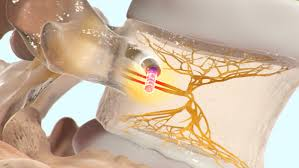
It works by targeting the basivertebral nerve, which carries pain signals from the vertebral endplates. Using radiofrequency energy, this nerve is ablated (deactivated), preventing it from sending pain signals to the brain.
Who Is a Candidate?
You may be a good candidate for the Intracept Procedure if you have:
- Chronic low back pain lasting 6 months or longer
- Pain that has not improved with conservative treatments
- MRI findings showing Modic changes (type 1 or 2) in the vertebral endplates
- Pain primarily located in the midline low back (not primarily leg pain/sciatica)
This procedure is specifically designed for vertebrogenic pain, which is different from disc herniation or nerve root compression.
What to Expect During the Procedure
The Intracept Procedure is typically performed in an outpatient setting and takes about 60–90 minutes.
During the Procedure:
- You will be positioned comfortably (usually face down)
- Sedation or anesthesia is provided for comfort
- A small incision is made for each level treated
- A specialized probe is guided into the vertebra(e) using imaging (fluoroscopy)
- The basivertebral nerve(s) is treated with radiofrequency energy
Recovery and Results
Recovery is generally straightforward:
- Most patients go home the same day
- Light activity is recommended for a few days
- Return to normal activities typically occurs within a few days to a couple of weeks
When Will I Feel Relief?
- Some patients notice improvement within 2–6 weeks
- Continued improvement can occur over several months
Clinical studies have shown long-lasting pain relief and improved function for many patients—even years after the procedure.
Benefits of the Intracept Procedure
- ✔ Targets the source of pain, not just symptoms
- ✔ Minimally invasive with no implants
- ✔ Long-lasting relief
- ✔ Can reduce reliance on medications
- ✔ Quick recovery time
Risks and Considerations
The Intracept Procedure is generally very safe, but potential risks include:
- Infection
- Bleeding
- Temporary increase in pain
- Rare nerve or tissue injury
Serious complications are uncommon when performed by experienced specialists.
Is Intracept Right for You?
If you’ve been living with chronic low back pain and haven’t found relief with other treatments, the Intracept Procedure may be worth considering—especially if imaging suggests vertebrogenic pain.
A thorough evaluation, including imaging and clinical assessment, is necessary to determine if you’re a candidate.
Take the Next Step Toward Pain Relief
At Deseret Rock Pain Specialists, we specialize in advanced, evidence-based treatments tailored to each patient.
📍 3665 S. 8400 W. Ste 200, Magna, UT 84044 📞 801-961-4010 🌐 deseretrock.com
Have Questions About Pain Management?
Our team of specialists is here to help. Schedule a consultation to discuss your specific needs.
This content is for informational purposes only and is not medical advice. Always seek care from a qualified clinician for diagnosis and treatment. If you are experiencing a medical emergency, call 911 immediately.