Nerve Blocks: What You Need to Know
Nerve Blocks: Targeted Pain Relief for Lasting Results
If you’re dealing with persistent pain that hasn’t improved with medications or physical therapy, nerve blocks may offer an effective, minimally invasive solution.
At Deseret Rock Pain Specialists, nerve blocks are a key part of our approach to diagnosing and treating pain—helping patients get relief and return to daily life.
What Is a Nerve Block?
A nerve block is a procedure that involves injecting medication near a specific nerve or group of nerves to reduce or stop pain signals.
Depending on the purpose, the injection may include:
- Local anesthetic (for temporary relief and diagnosis)
- Steroid medication (to reduce inflammation and provide longer relief)
What Conditions Do Nerve Blocks Treat?
Nerve blocks can be used for a wide range of pain conditions, including:
- Chronic back and neck pain
- Joint pain (shoulder, knee, hip)
- Sciatica and other nerve-related pain
- Headaches and migraines
- Post-surgical or post-injury pain
- Complex regional pain syndrome (CRPS)
They are often used both to diagnose the source of pain and to provide therapeutic relief.
Types of Nerve Blocks
There are many types of nerve blocks depending on the location of pain. Common examples include:
- Facet joint/medial branch blocks (spine-related pain)
- Peripheral nerve blocks (arms, legs, or specific nerves)
- Sympathetic nerve blocks (for nerve-related pain conditions like CRPS)
- Occipital nerve blocks (for headaches and migraines)
Your provider will determine the best type based on your symptoms and diagnosis.
What to Expect During the Procedure
Nerve blocks are typically quick and performed in an outpatient setting.
During the Procedure:
- You’ll be positioned comfortably
- The skin is cleaned and numbed
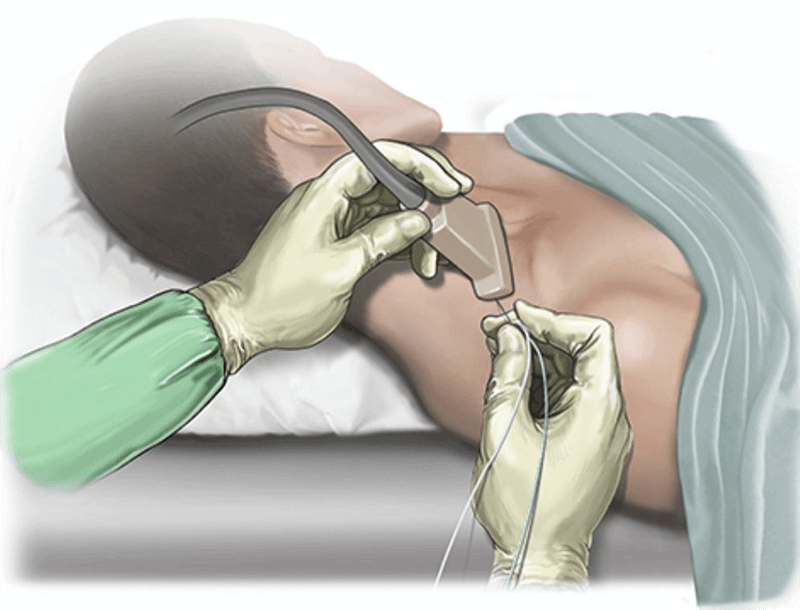
- Using ultrasound or fluoroscopy guidance, the needle is precisely placed
- Medication is injected near the targeted nerve
The procedure usually takes 10–20 minutes.
Recovery and Results
After the procedure:
- Most patients go home the same day
- Normal activities can often be resumed within 24 hours
When Will I Feel Relief?
- Immediate relief may occur from the local anesthetic
- Longer-lasting relief from steroids may take a few days to a week
Relief duration varies:
- Days to months, depending on the condition
- Some patients benefit from repeat injections or additional procedures
Benefits of Nerve Blocks
- ✔ Targeted pain relief at the source
- ✔ Minimally invasive with little downtime
- ✔ Helps diagnose the cause of pain
- ✔ Can reduce the need for medications
- ✔ May delay or prevent more invasive treatments
Are Nerve Blocks Safe?
Nerve blocks are generally very safe when performed by experienced providers. Most side effects are mild and temporary, such as soreness or numbness.
Serious complications are rare such as nerve irritation or injury, especially when imaging guidance is used.
Is a Nerve Block Right for You?
You may be a candidate if:
- You have chronic or nerve-related pain
- Conservative treatments haven’t provided enough relief
- Your provider is trying to identify the exact source of pain
A personalized evaluation will help determine the best treatment plan for you.
Take the Next Step Toward Pain Relief
At Deseret Rock Pain Specialists, we focus on precise, evidence-based treatments to help you feel better and move better.
📍 3665 S. 8400 W. Ste 200, Magna, UT 84044 📞 801-961-4010 🌐 deseretrock.com
Contact us today to schedule a consultation and learn if nerve blocks are right for you.
Have Questions About Pain Management?
Our team of specialists is here to help. Schedule a consultation to discuss your specific needs.
This content is for informational purposes only and is not medical advice. Always seek care from a qualified clinician for diagnosis and treatment. If you are experiencing a medical emergency, call 911 immediately.